yogaAnanda in the Himalayas · Rishikesh
Holistic Yoga
Ananda’s Holistic Yoga: classical Hatha and Raja Yoga with elements of Karma, Bhakti and Jnana Yoga, sold at 7, 14 or 21 nights.
FromUS$3,440per person
By how you want to feel
Answer three questions — what you need, where, and when — and see the retreats that fit.
Open the retreat finderWellness resorts & clinics
By kind of place
Wellness tradition · India
A lineage, a teacher, and enough consecutive days to matter
What happens
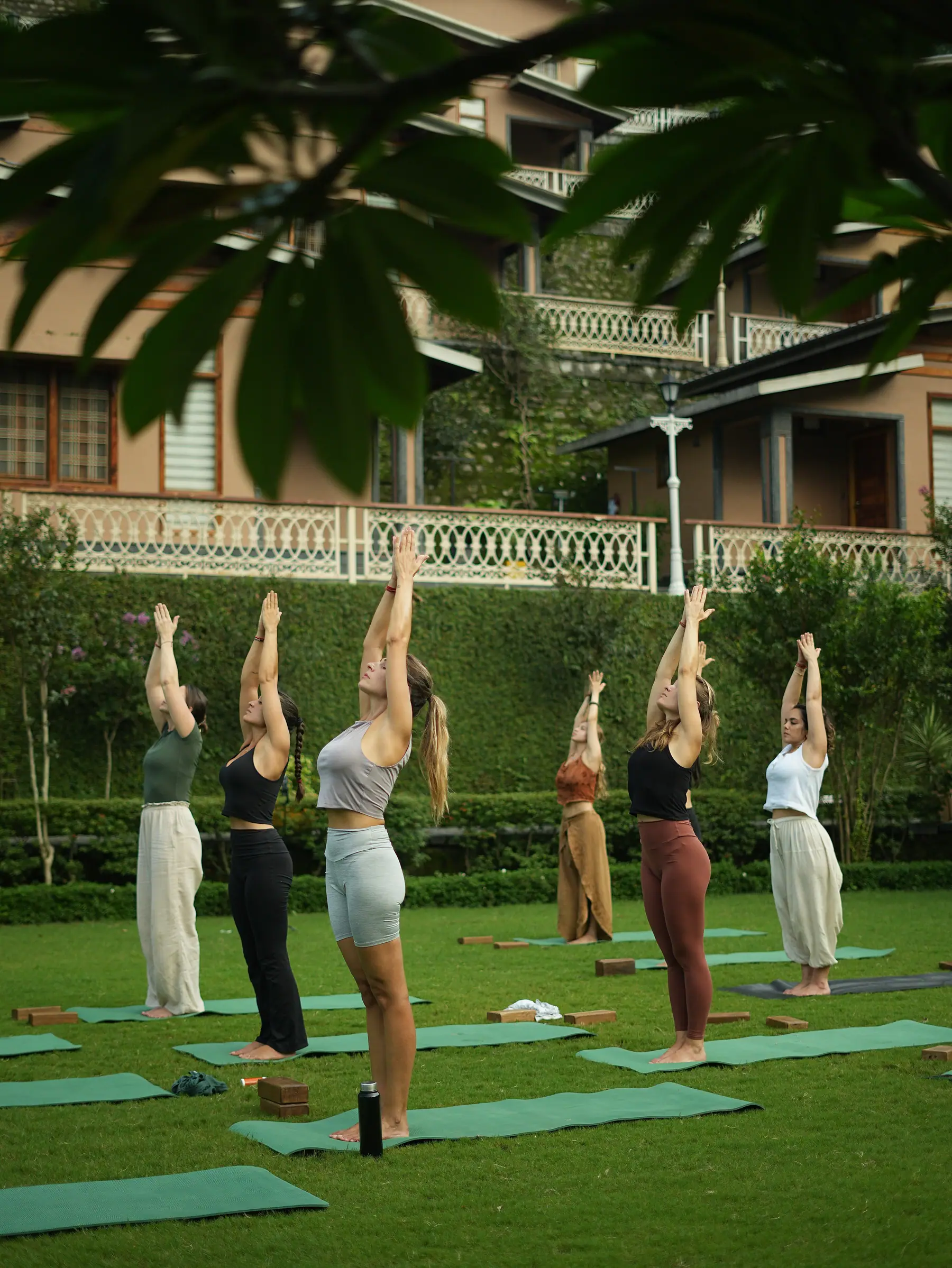
Twice-daily practice in a small group — a longer, slower morning session before food and something quieter at dusk — with pranayama, meditation and, on the immersions worth attending, philosophy taught rather than sprinkled. Expect to be corrected in your first week and to feel worse before you move better.
The Indian subcontinent; the modern schools trace to named twentieth-century teachers.
No specific regulation identified. Anybody may call themselves a yoga teacher, and a two-hundred-hour certificate can be bought in a fortnight. We list schools by lineage — Krishnamacharya, Sivananda, Bihar, Iyengar, Ashtanga — and name the teacher and their years on every page, because that is the only signal that carries any weight.
Where to go
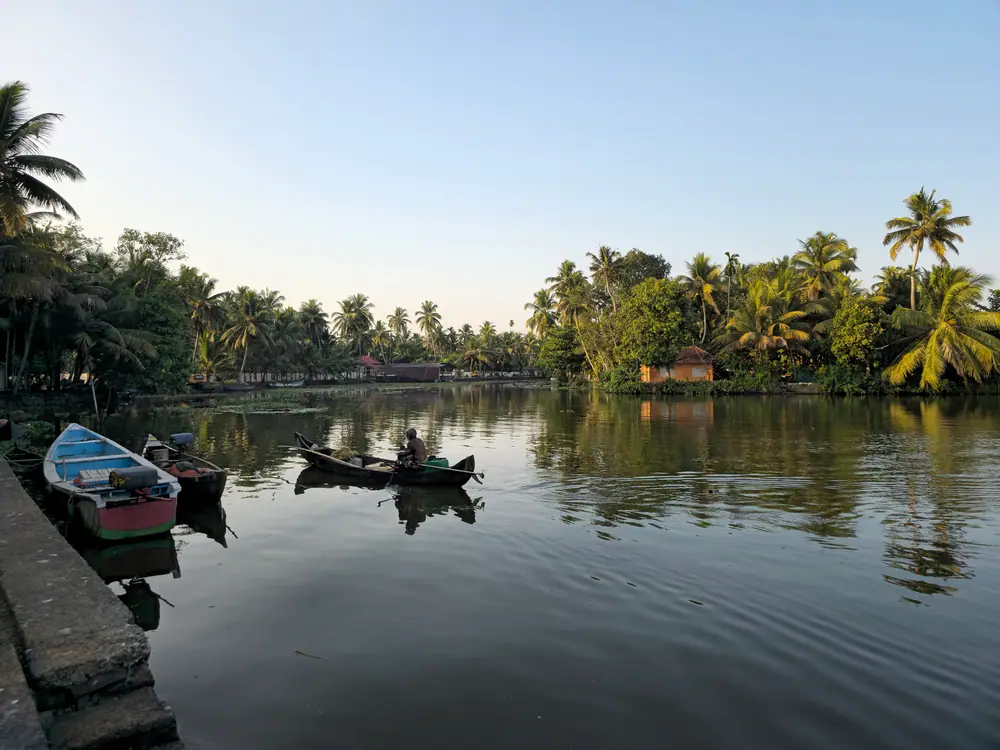
The one place on earth where Ayurveda is at once a licensed medical system, a 120-year-old pharmaceutical industry and a tourism product.
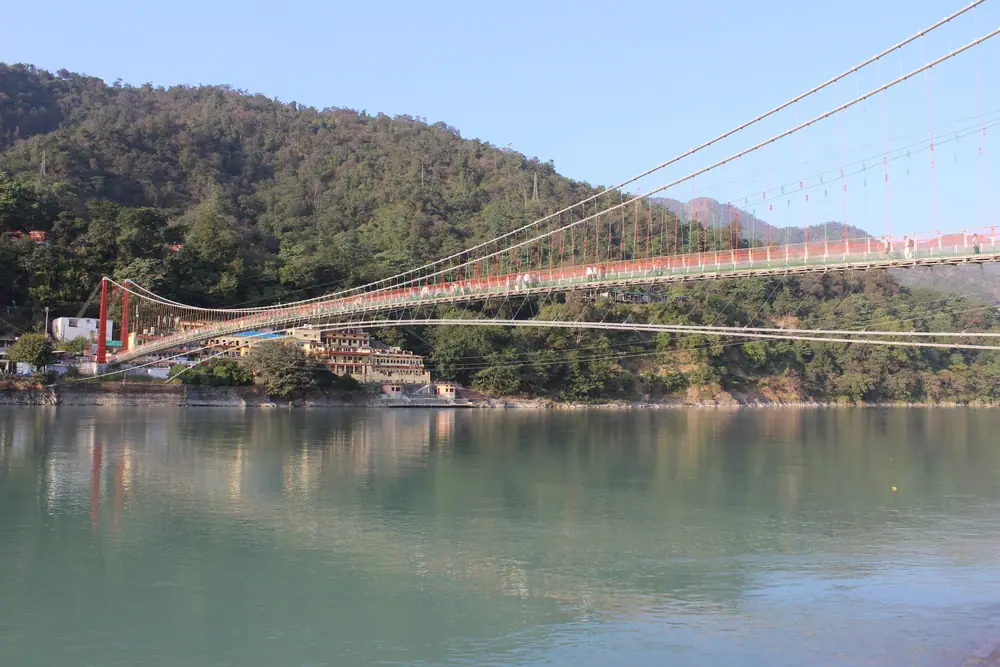
Where modern transnational yoga was institutionalised — and then, in 1968, handed global celebrity.
Where it is practised
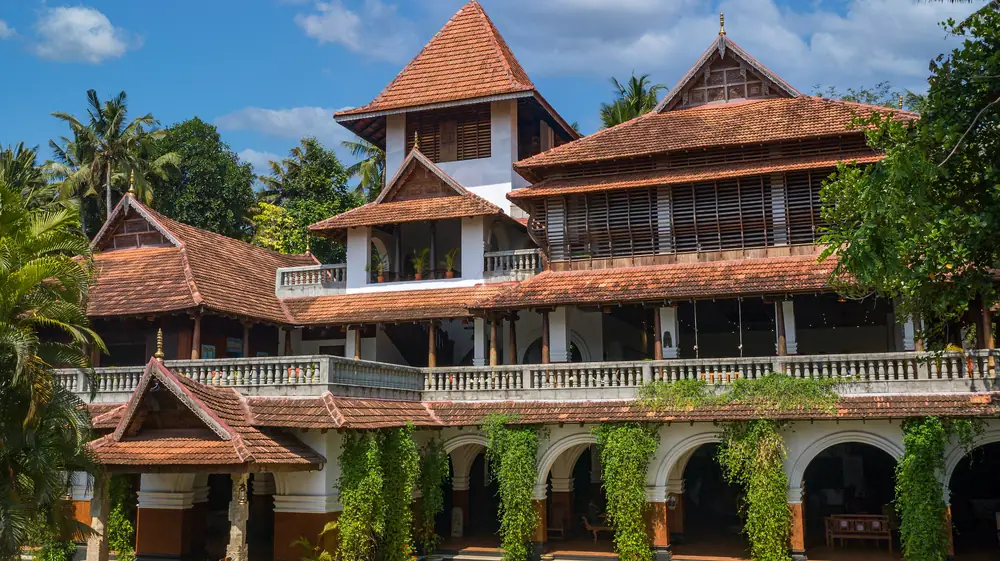 Ayurveda hospital
Kerala, India
An Ayurveda hospital on a hillock at Chowara Beach. Its About page calls it the "World’s First Ayurveda Hospital with a Resort Ambiance" — its own claim, worded differently across its pages, one of which limits it to India.
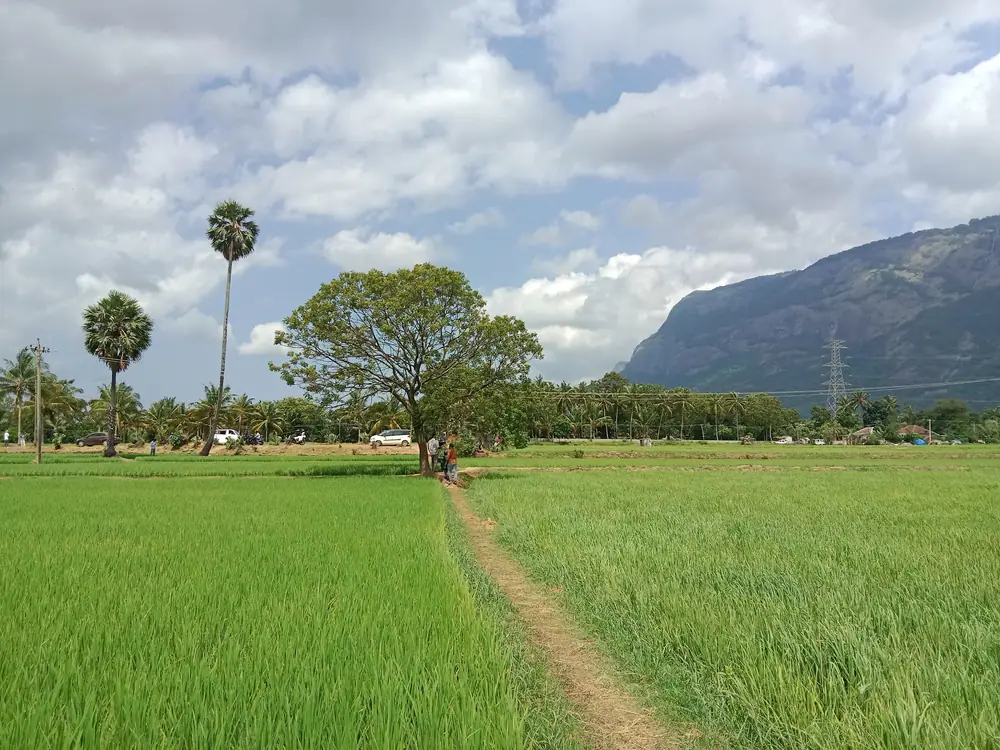 Ayurveda hospital
Kerala, India
An Ayurveda hospital run by CGH Earth in what it describes as a 200-year-old palace near Kollengode, with 19 rooms, 12 treatment rooms and a 14-day minimum stay. The NABH certificate the site links ran until 28 January 2026.
 Retreat resort
Kerala, India
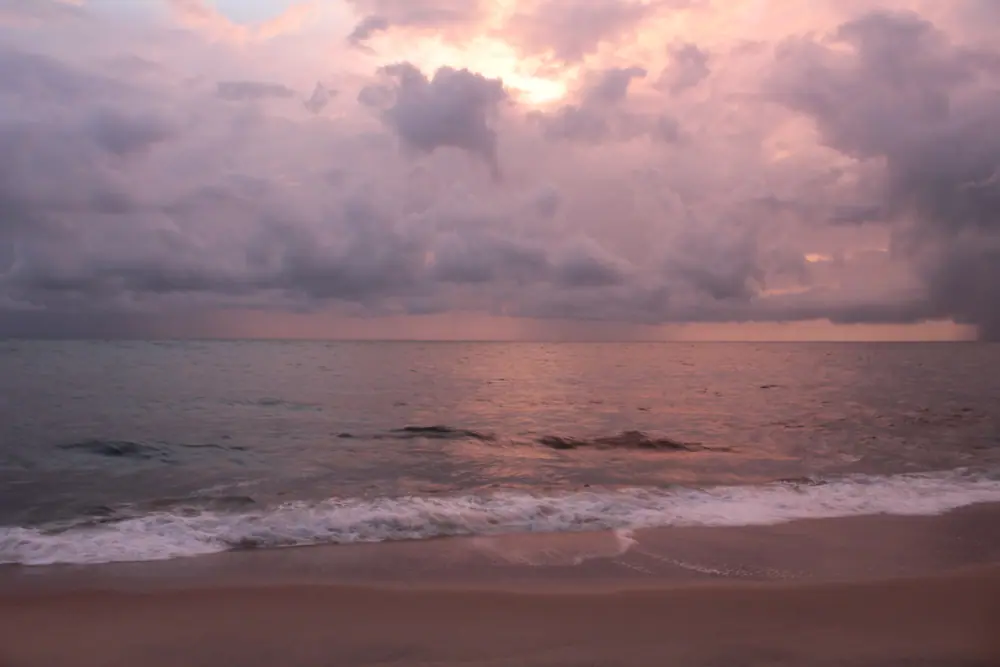
A villa resort with its own Ayurveda spa on the Arabian Sea shore at Marari, Alappuzha, set in what it describes as 25 acres of landscaped gardens.
 Retreat resort
Rishikesh, India
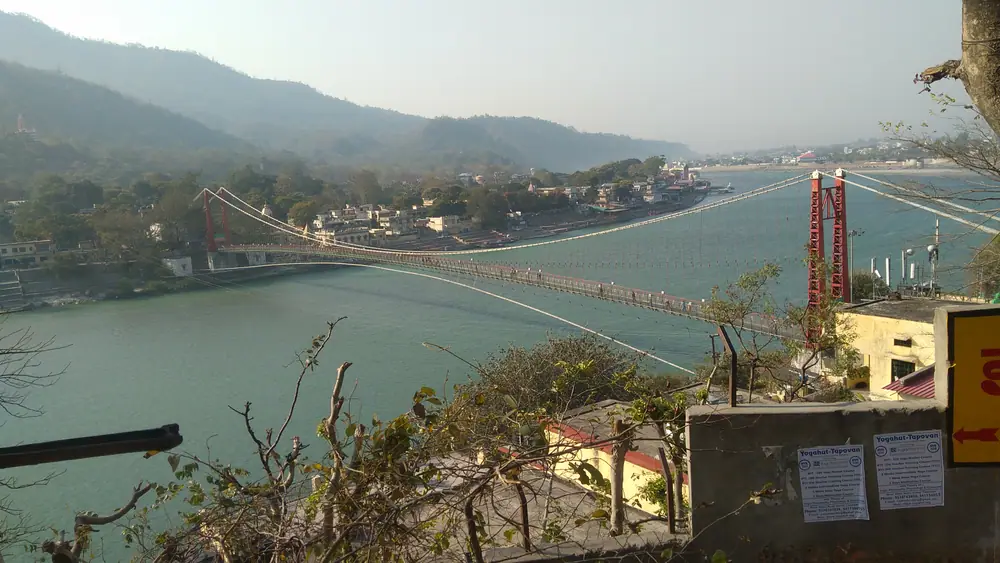
A wellness retreat on the 100-acre former palace estate of the Maharaja of Tehri-Garhwal, overlooking Rishikesh and the Ganga valley. Its press kit says it opened in 2000 as India’s first luxury wellness retreat.
 Retreat resort
Rishikesh, India
Opened as Vana in January 2014 and part of Six Senses since 2023, it is a full-board retreat whose core offering, in its own words, is based on Ayurveda, yoga, Tibetan medicine and natural healing therapies.
 Retreat resort
Kerala, India
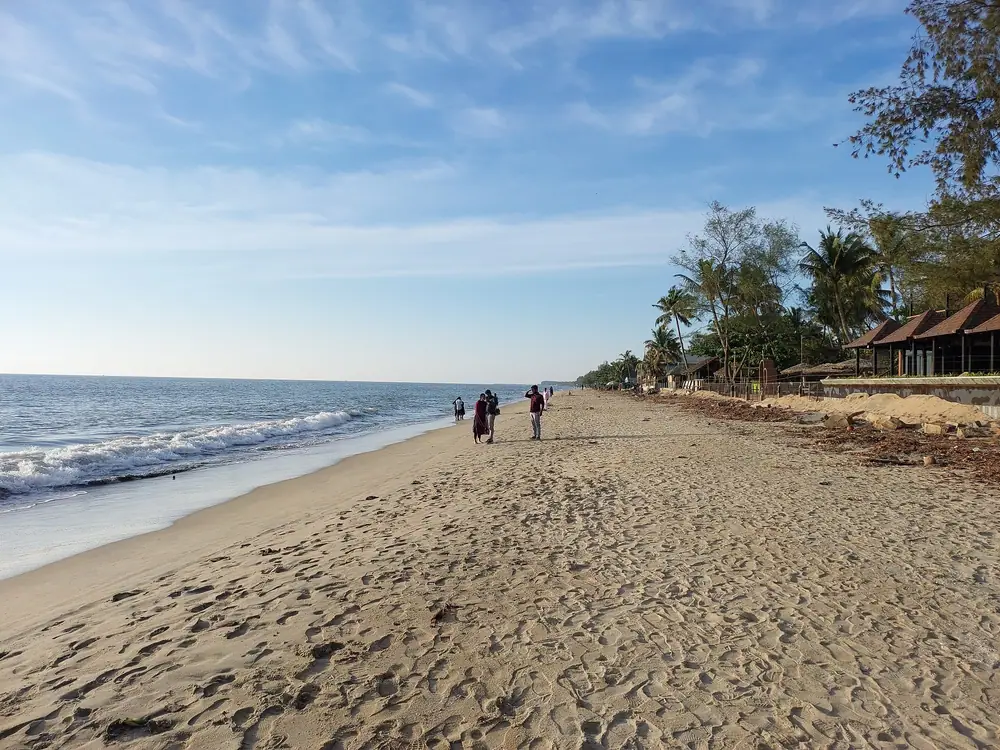
An Ayurveda and yoga resort in Cherai that claims a physician lineage dating to 1952, publishing nine named programmes of 7 to 28 days and protocols for back pain, spine and neck, stroke, Parkinson’s and trigeminal neuralgia.
 Ayurveda hospital
Kerala, India
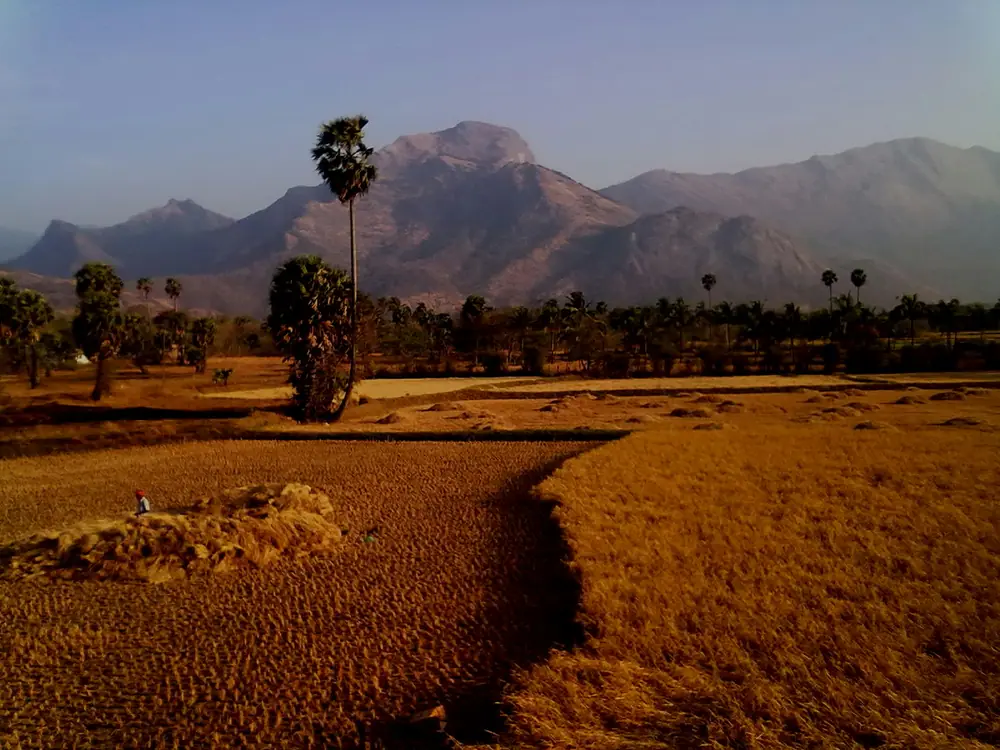
It describes itself as an NABH-accredited Ayurvedic hospital, and its directions page says "It is not a spa." Its programme pages print per-night rates for four villa categories in rupees, dollars and euros.
 Ayurveda hospital
Kerala, India
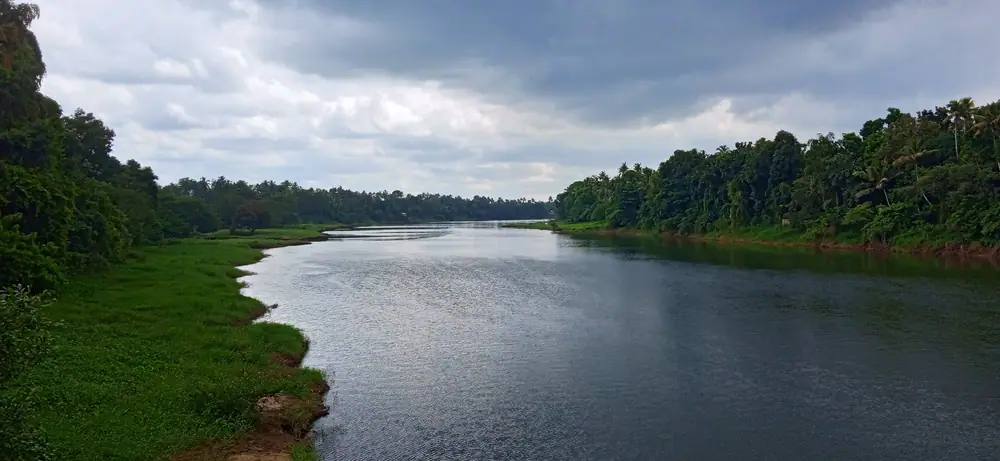
The site describes Back to Roots as an Ayurvedic hospital and retreat for in-patient treatment, with eight programmes of seven days or more and a founding physician whose clinic group is in the UAE.
 Retreat resort
Kerala, India
A hilltop Ayurvedic treatment centre that calls itself a 'Heritage Ayurveda Retreat'. It publishes a day of two prescribed therapy sessions and yoga morning and evening, and its headline programme is a 28-day Panchakarma.
 Retreat resort
Rishikesh, India
A 29-room retreat (the FAQ’s count) in Rishikesh that describes itself as a holistic wellness retreat built on Ayurveda, naturopathy, yoga and meditation, and prints nightly rupee rates on its own site.
 Retreat resort
Rishikesh, India
A yoga teacher-training school in Tapovan that describes itself as a Yoga Alliance USA registered RYS 200, 300 and 500 school. It also sells 3-, 5- and 7-day retreats, each with published prices, dates and a timed daily schedule.
 Retreat resort
Kerala, India
An eleven-suite riverside retreat north of Trivandrum where every room is a "Spasuite" with its own treatment area. The site says most treatments are given in the suite, with a rooftop spa for heavy-oil ones.
 Ashram & yoga school
Rishikesh, India
A Hatha yoga teacher-training school that says it is registered with Yoga Alliance, selling 200-, 300- and 500-hour courses and 3- to 14-day yoga, Ayurveda and detox retreats; the site says its Abhayaranya ashram has no vehicle access.
 Retreat resort
Rishikesh, India
An Ayurveda and naturopathy resort on the Haridwar–Dehradun road whose page titles say Rishikesh. It publishes three different lists of what a stay includes.
 Retreat resort
Rishikesh, India
A family-run retreat in Selur, Tehri Garhwal, selling a three-, five- or seven-night Rudraksh Yogic Detox and a seven- or ten-night Ayurveda Panchakarma.
 Retreat resort
Rishikesh, India
An Ayurveda and yoga retreat on Neelkanth Road, Rishikesh, whose four main package pages give daily treatment minutes and a recommended stay.
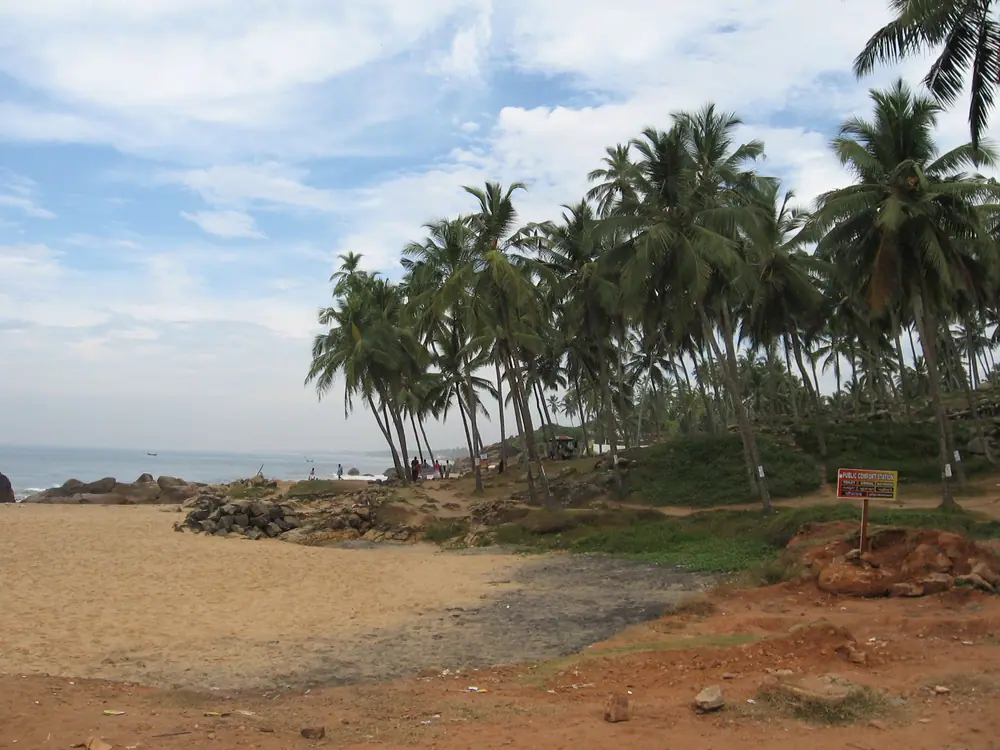 Ayurveda hospital
Kerala, India
The Somatheeram group’s beach-level Ayurveda hospital at Chowara: thatched mud-and-brick cottages among the palms, most with a sea view, and the same doctor-led packages as Somatheeram.
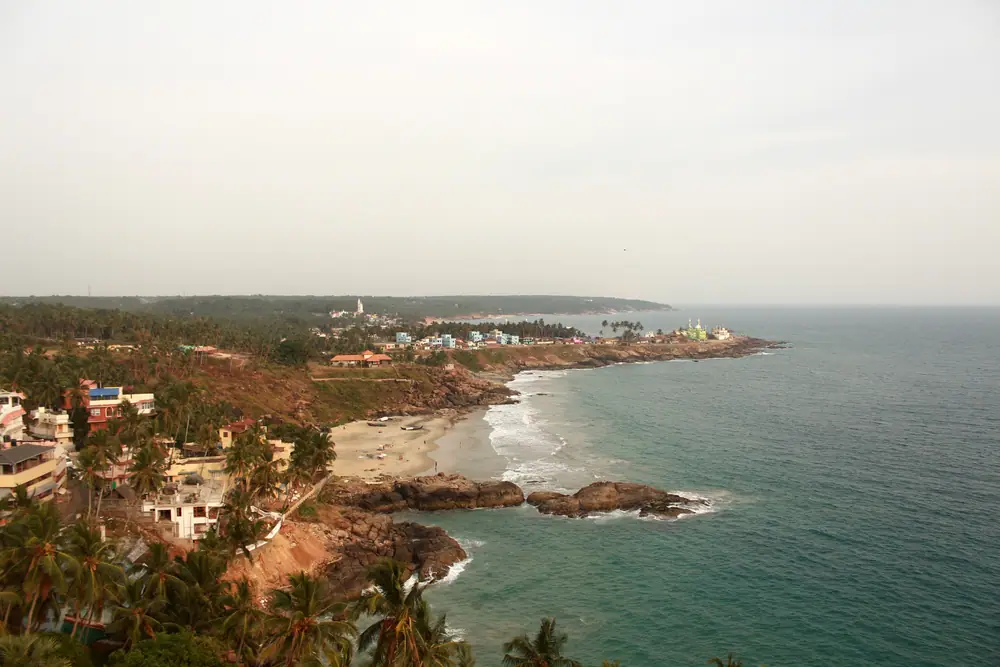 Ayurveda hospital
Kerala, India
The Somatheeram group’s flagship, built in Kerala temple-and-palace style on the hill beside Somatheeram, with sea-view rooms, an infinity pool and private treatment rooms in its top categories.
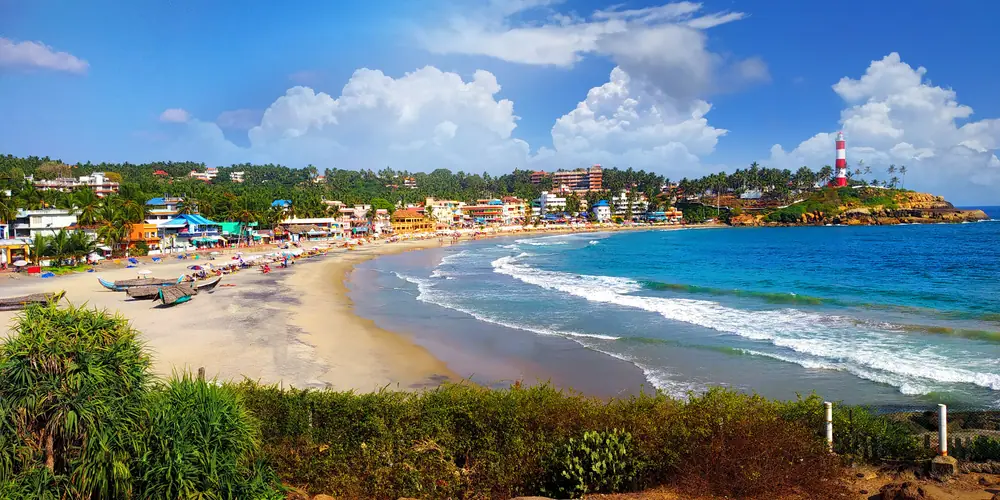 Retreat resort
Kerala, India
The Somatheeram group’s house at Kovalam itself, on the cliffs along Lighthouse Road: three categories of sea-facing rooms, with Ayurveda packages from seven nights or a room on breakfast.
Programmes
Ananda’s Holistic Yoga: classical Hatha and Raja Yoga with elements of Karma, Bhakti and Jnana Yoga, sold at 7, 14 or 21 nights.
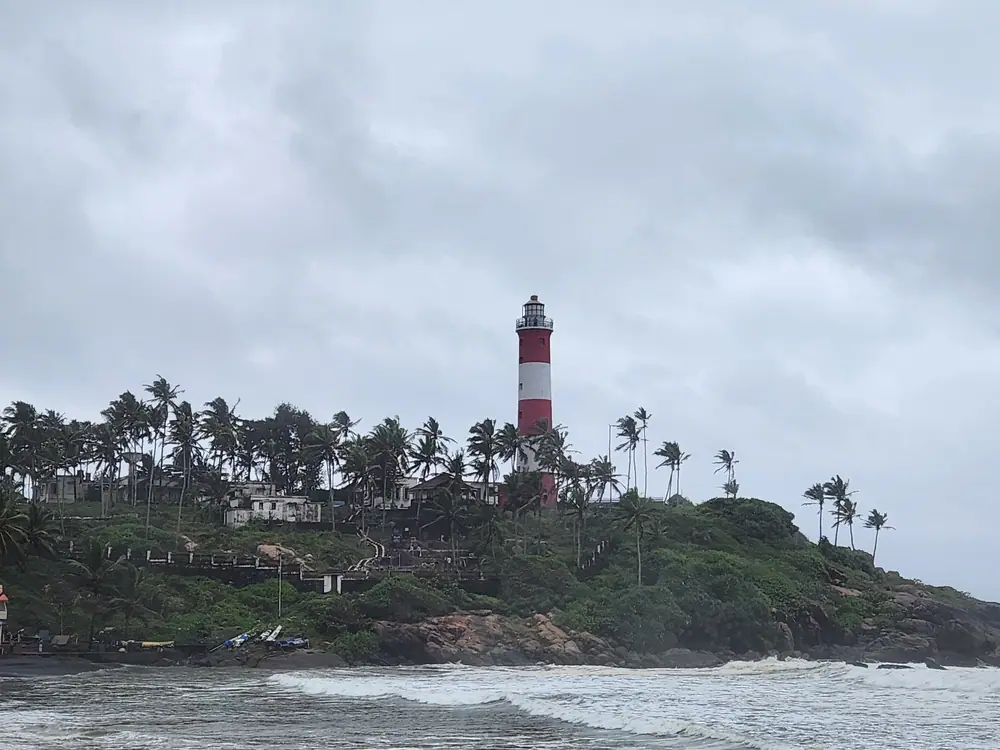
AyurSoma’s Hatha yoga retreat with an Ayurveda package — Rejuvenation or Body Purification — sold as seven or fourteen nights.
Tell us your dates and budget — a specialist will shortlist the right house, length and month, free.
Research notes
A plain-English guide to the main claims, including where evidence is mixed, limited or based mainly on traditional use.
One of the better-supported claims in this whole atlas. Multiple randomised trials and systematic reviews find yoga about as effective as other active exercise therapies, and several national guidelines list it as an option for persistent low-back pain.
Extending the exhale relative to the inhale raises vagal tone and lowers heart rate within minutes, in almost anyone, for free. The mechanism is uncontroversial; what a retreat adds is doing it thirty times instead of twice.
Reviews are generally positive with real caveats — small samples, weak blinding, active-control problems. It is a reasonable adjunct and it is not a treatment for a diagnosed disorder.
Consistent modest benefit across several reviews, particularly in older adults and in menopause. Yoga nidra specifically is the single most useful thing most anxious people take home.
It is not. Shoulder, wrist, knee, neck and lower-back injuries are all well documented, and headstand and shoulderstand carry specific risks. Injury rates rise with unqualified teaching, which brings you back to the school.
A common teaching-room metaphor with no physiological basis. Twisting feels good and does not clean anything.
An editorial travel summary, not a systematic review or a medical recommendation. Research evolves; seek current professional advice for personal health decisions.
What a programme may include
The physical practice. In a serious school it is taught with correction, and a good teacher will spend the fortnight removing postures from your practice rather than adding them.
Breath regulation — ratio breathing, alternate nostril, and in some schools retention. The part with the best evidence and the least glamour. Retention practices are not appropriate with a panic disorder, uncontrolled hypertension or in pregnancy.
Guided rotation of attention through the body, lying down, awake. The most useful thing most guests take home and the easiest to keep doing.
Usually concentration on breath or mantra rather than anything mystical. Expect it to be uncomfortable for the first week; that is the practice, not a sign of failure.
Cleansing practices — neti for the nasal passages, kapalabhati breathing. Some, notably the swallowed-cloth and saltwater-flush practices, we would not take without a teacher who knows you.
Sutra study, Vedanta talks, Sanskrit chanting. Optional at most houses and the part returning guests say they came back for.
In more detail
Yoga as it travels is a practice rather than a profession: there is no country on earth where "yoga teacher" is a licensed title, and that fact should shape how you choose. Yoga Alliance, whose RYS-200 and RYT-500 designations appear on most school websites, is a voluntary registry — it confirms that a school filed a curriculum document, not that anyone inspected the teaching or that it is safe.
What that means practically is that the school matters far more than the certificate. The lineages with real institutional history — Sivananda, Satyananda, Iyengar, Ashtanga, Krishnamacharya’s line at Chennai — have syllabi, senior teachers and a body of correction that a four-week training in a rented hall does not. Rishikesh has several hundred schools; this site lists three.
The other thing worth knowing is that the physical practice is the smallest part of the classical system and the largest part of the market. A serious residential stay will spend as much time on breathing, on the philosophy, and on what you do at six in the morning for the rest of your life, as it does on postures.
Facts you can check
Tell them apart
A yoga holiday is a good hotel with two classes a day and a teacher flown in. A yoga stay is a school: the same teachers all year, a syllabus, one-to-one correction, and a timetable that starts before six. Both are worth doing and they cost about the same, so it is worth knowing which you have booked.
The vocabulary
Questions