The test for inclusion is not popularity — it is whether the practice is regulated somewhere: a licence, a syllabus, a professional body, a state that pays for it. Where one is not, we label it on every page it appears on.
India’s licensed system of medicine, practised as medicine
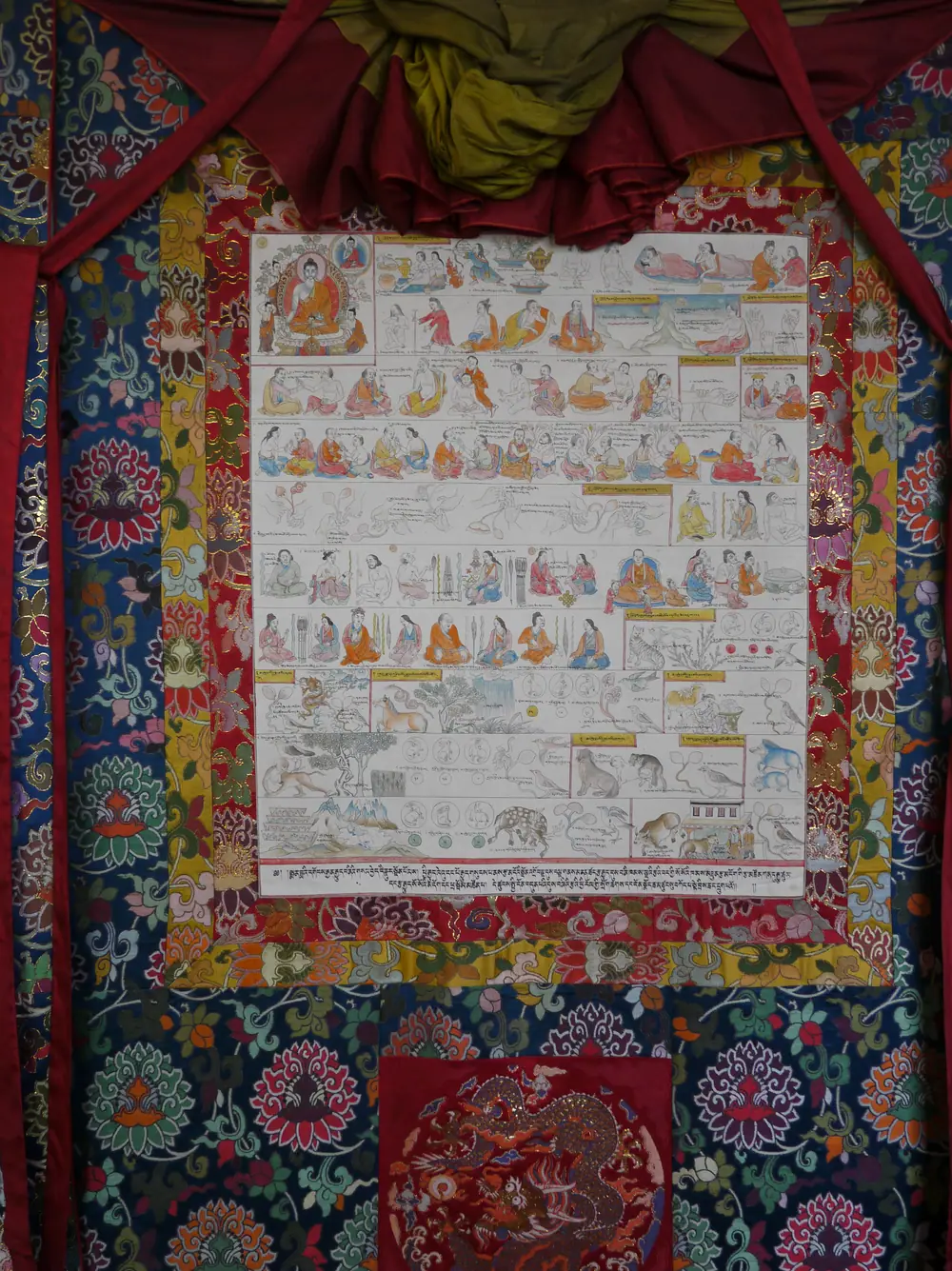
A licensed medical system in India. Physicians hold a BAMS — five and a half years including a clinical internship — and are registered with a state medical council. In most other countries it is a complementary therapy with no equivalent protection, which is precisely why where you go matters.
A lineage, a teacher, and enough consecutive days to matter
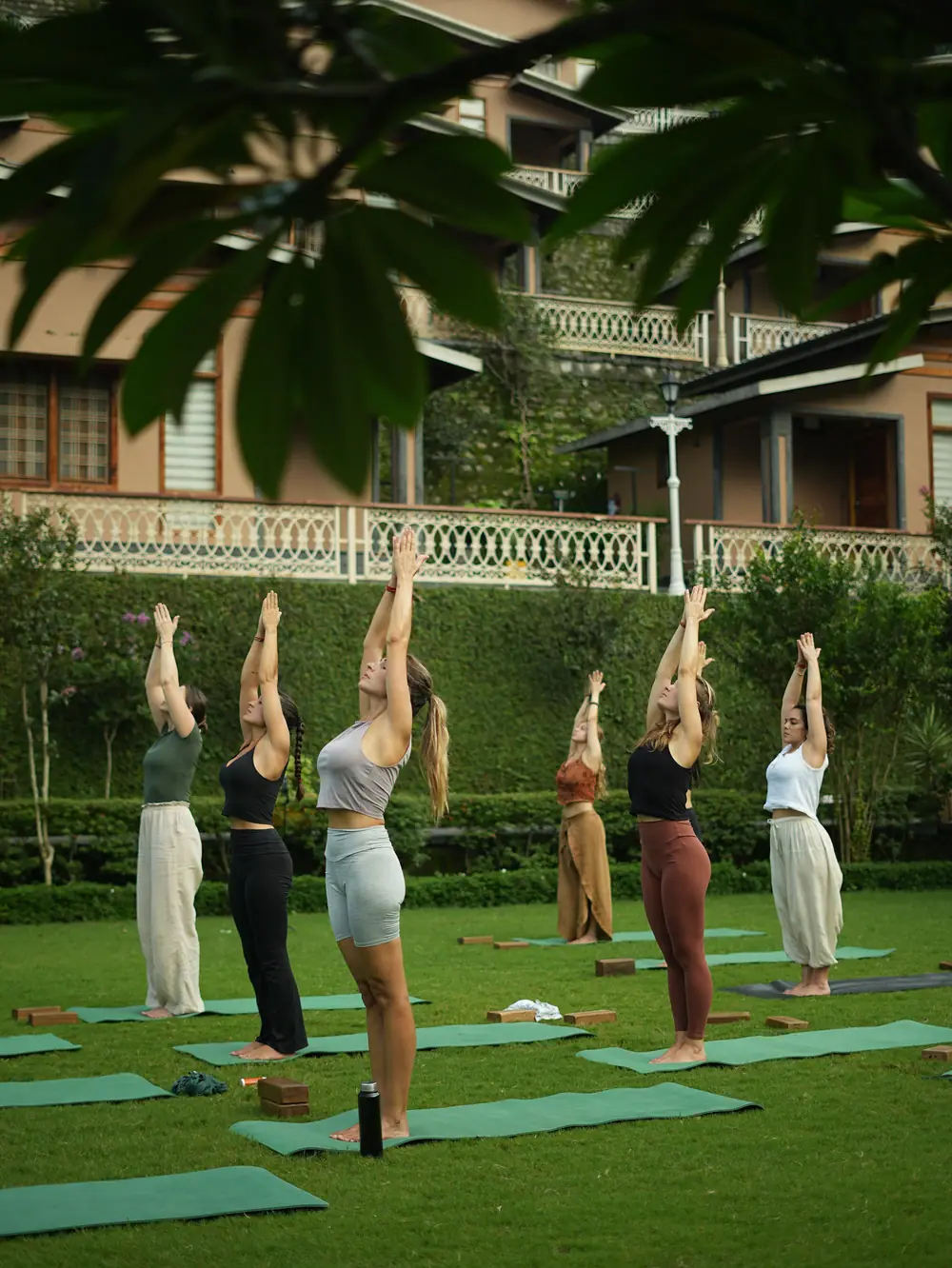
Not regulated anywhere. Anybody may call themselves a yoga teacher, and a two-hundred-hour certificate can be bought in a fortnight. We list schools by lineage — Krishnamacharya, Sivananda, Bihar, Iyengar, Ashtanga — and name the teacher and their years on every page, because that is the only signal that carries any weight.
Europe’s prescribed cure, still paid for by health insurers
Genuinely medical in the German-speaking world. A Kur is prescribed by a doctor, delivered under medical supervision at an accredited Kurhaus, and part-reimbursed by statutory health insurance in Germany, Austria and the Czech Republic. The water itself is analysed and certified for mineral content.
Defined in Japanese law: the Hot Spring Act sets the minimum temperature and the mineral thresholds a source must meet before it may be called onsen. Individual springs are classified by chemistry — sulphur, bicarbonate, iron, simple alkaline — and the classification is posted at the bath.
Heated seawater, under medical supervision, since 1899
Regulated in France. A centre may only use the term if it draws live seawater from a clean source, heats it to a controlled temperature and works under medical supervision. The French label France Thalasso audits this; we list only accredited centres.
A licensed profession, not the massage on the high street
Licensed in Thailand under the Professional Practice of Thai Traditional Medicine Act. Practitioners are registered in four branches — medicine, pharmacy, midwifery and massage — and the training is years, not a weekend. The shop-front massage sold to tourists is a different thing entirely, and legally so.
Himalayan medicine, delivered by the state in Bhutan
One of very few countries where traditional medicine is fully integrated into the public health service: Bhutan runs Sowa Rigpa units inside government hospitals, trains practitioners at a national institute, and manufactures the medicines itself from high-altitude plants.
Split down the middle. The clinical end — Swiss longevity medicine — is delivered by licensed physicians in registered clinics and is as regulated as any private hospital. The Blue Zone end is not a treatment at all; it is a place where people happen to live a very long time, and going there buys you the habits, not a procedure.
A medically supervised digestive rest, invented in Austria
Delivered by licensed physicians in Austrian and German clinics under ordinary medical regulation — a Mayr house is a medical practice with a hotel attached rather than a spa with a doctor visiting. The method itself is not separately accredited; what is regulated is the doctor.