

Wellness goal · Body & vitality
Back and joint pain retreats
“My lower back has been a background noise for a decade.”
Back, neck & joints
What to know before you choose
Mechanical pain responds well to a fortnight of daily hands-on work and daily movement. That is not a small claim and it is not a cure.
Read more about back, neck & joints
Most persistent back and neck pain is mechanical and multifactorial: a body that sits too long, moves in too few directions, and has learned to guard. What a residential fortnight offers is the one thing an hour of physiotherapy a fortnight cannot — repetition. Daily bodywork, daily corrective movement, daily walking, and somebody watching how you do it.
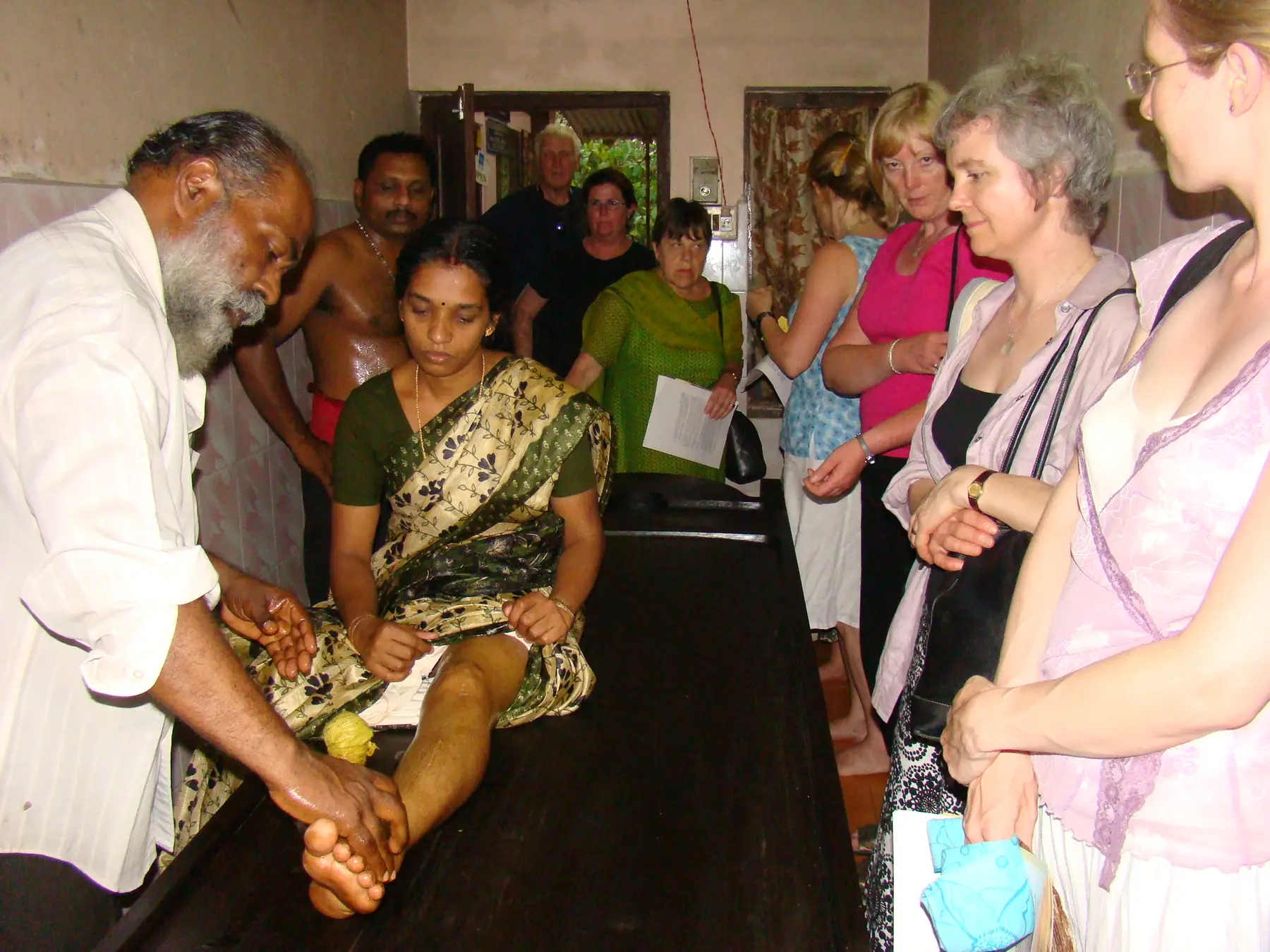
The Ayurvedic houses have a long-established set of protocols for this — kati basti, pizhichil, njavarakizhi — which are essentially sustained local heat and medicated oil, applied for long enough to matter. The evidence base is traditional rather than trial-based, and the mechanism is not mysterious: heat, oil and time on a guarded muscle.
Separately, and much more specifically: inflammatory rheumatic disease is not mechanical back pain, and it belongs with your rheumatologist first.
Where to stay
Houses suited to this kind of journey

Programme approaches
The traditions that address it
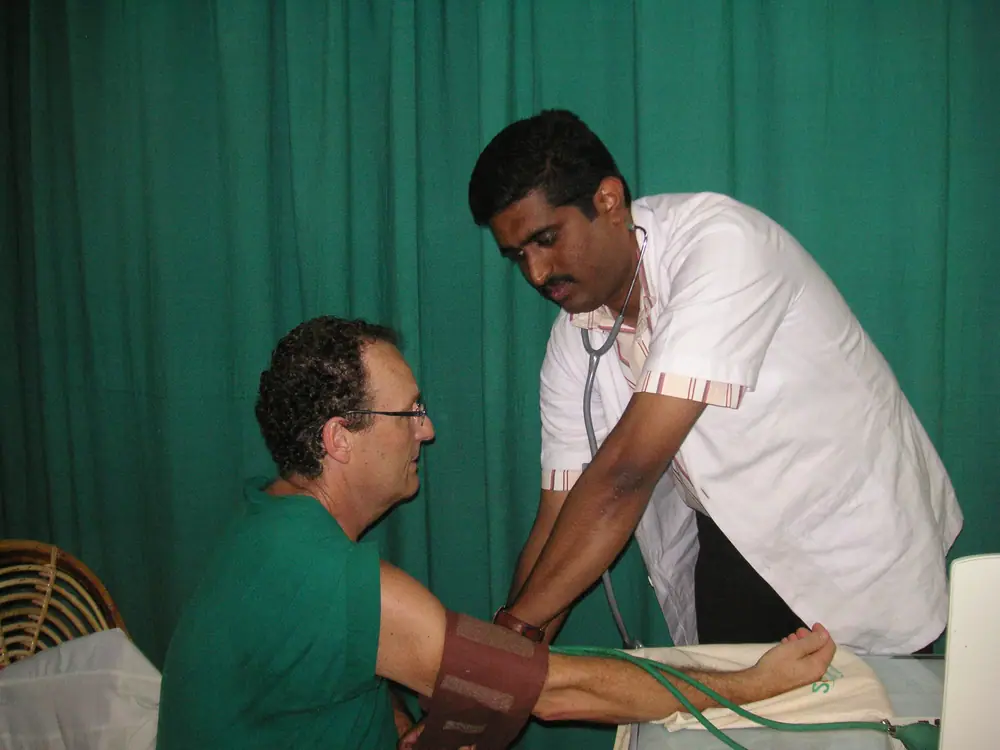
Ayurveda
Kati basti, pizhichil and the kizhi protocols — sustained heat and medicated oil over the affected area, daily, for two to three weeks. Traditional rather than trialled, and guests are consistent about the result.
The guide
Yoga
Taught one to one, and corrective rather than aspirational. A good teacher will spend the fortnight removing postures from your practice rather than adding them.
The guide
What to expect
What a programme for this actually does to your fortnight
A good trip starts with realistic expectations — these are the routines you are likely to meet.
- 01
An assessment that looks at how you move, not only at where it hurts.
- 02
Daily hands-on work, longer sessions than a physiotherapy appointment, over two weeks or more.
- 03
Movement prescribed and corrected one to one — often less than you were doing, and different.
- 04
Heat, in some form, most days.
- 05
Home exercises that take ten minutes and that somebody has watched you do correctly.