India
Stress and anxiety retreats in India
Stress and anxiety retreats in India — the houses and programmes that address it, how long to stay, the travel season and what to consider first.
The wellness goal
“My shoulders are somewhere near my ears and they have been for a year.”
Where the breathing practices earn their reputation, and where the evidence is genuinely respectable.
Of everything sold on a wellness site, slow breathing has among the most straightforward physiological arguments behind it: extending the exhale relative to the inhale raises vagal tone and lowers heart rate, and it works within minutes, in anybody, for free. The value of a retreat is not that it teaches you something exotic — it is that it makes you do the simple thing thirty times instead of twice.
Add to that a fortnight without the input: no news cycle, no notifications, no decisions of consequence. Some houses keep phones out of the public areas altogether. Guests grumble about it on arrival and talk about it afterwards.
Bodywork does the rest. A chronically braced body maintains the state it is bracing against, and daily hands-on work interrupts that loop long enough for the breathing to take.
Approaches to explore
- yogaPranayama, restorative asana and yoga nidra. The last of these — a guided lying-down practice — is the single most useful thing most anxious people learn on a retreat.
- ayurvedaAbhyanga and shirodhara daily, with a diet that removes the stimulants and the blood-sugar swings that masquerade as anxiety.
What the experience may involve
- Breathwork twice a day, and it will feel too simple to be doing anything for about four days.
- A treatment most days, slow rather than strong.
- Reduced input by design — several houses restrict phones in public areas and some rooms have no television.
- Caffeine and alcohol out, which for anxiety specifically makes more difference than any treatment on the list.
- A practice you can do in ten minutes at your desk, taught properly rather than mentioned.
Where to go
5 houses, and what each is for
 Ayurveda hospital
Kerala, India
Somatheeram Ayurveda Village
An Ayurveda hospital on a hillock at Chowara Beach. Its About page calls it the "World’s First Ayurveda Hospital with a Resort Ambiance" — its own claim, worded differently across its pages, one of which limits it to India.
FromUS$2,060per personViewRetreat resort
Rishikesh, India
Ananda in the Himalayas
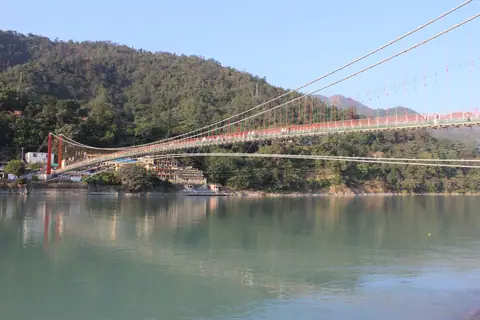
A wellness retreat on the 100-acre former palace estate of the Maharaja of Tehri-Garhwal, overlooking Rishikesh and the Ganga valley. Its press kit says it opened in 2000 as India’s first luxury wellness retreat.
FromUS$3,440per personViewRetreat resort
Rishikesh, India
Six Senses Vana
Opened as Vana in January 2014 and part of Six Senses since 2023, it is a full-board retreat whose core offering, in its own words, is based on Ayurveda, yoga, Tibetan medicine and natural healing therapies.
FromUS$11,116per personView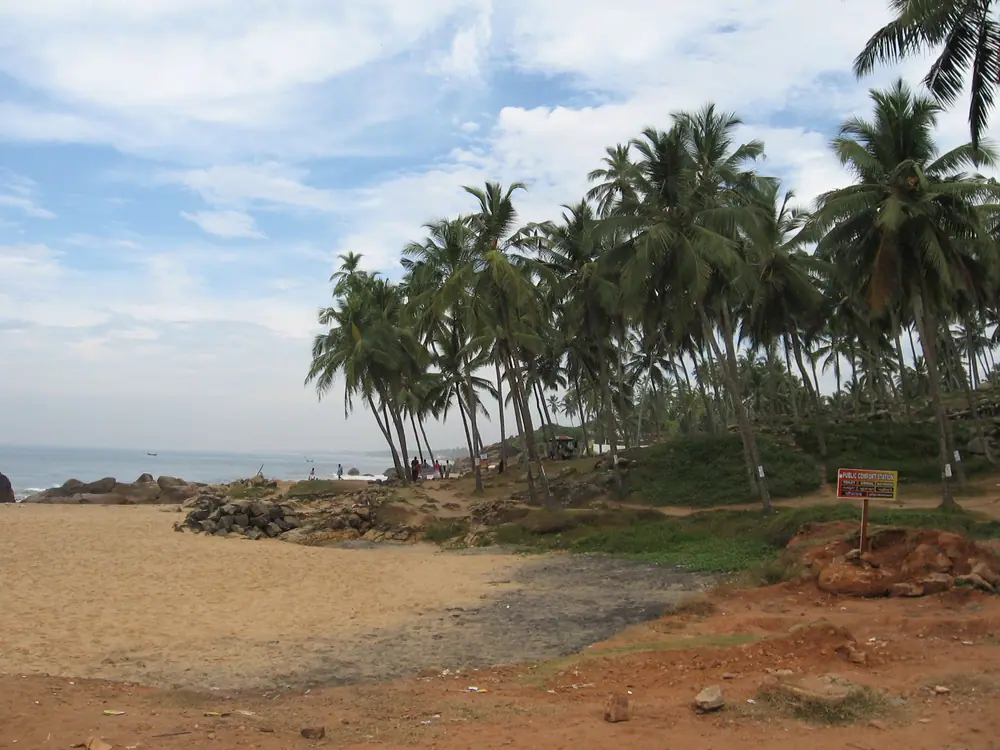 Ayurveda hospital
Kerala, India
Soma Manaltheeram Ayurveda Beach Village
The Somatheeram group’s beach-level Ayurveda hospital at Chowara: thatched mud-and-brick cottages among the palms, most with a sea view, and the same doctor-led packages as Somatheeram.
FromUS$2,060per personView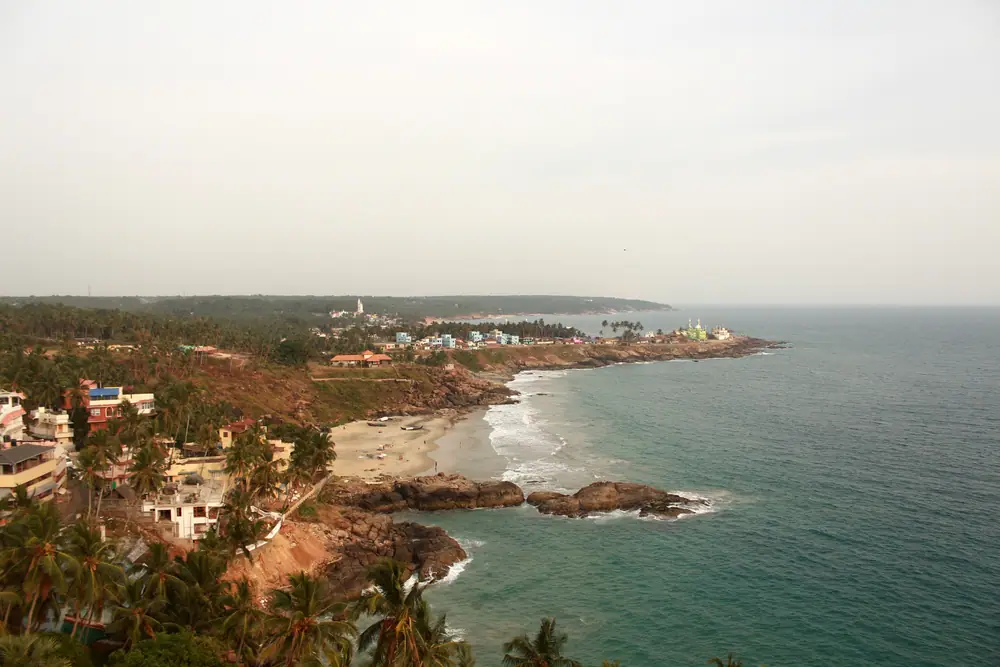 Ayurveda hospital
Kerala, India
AyurSoma
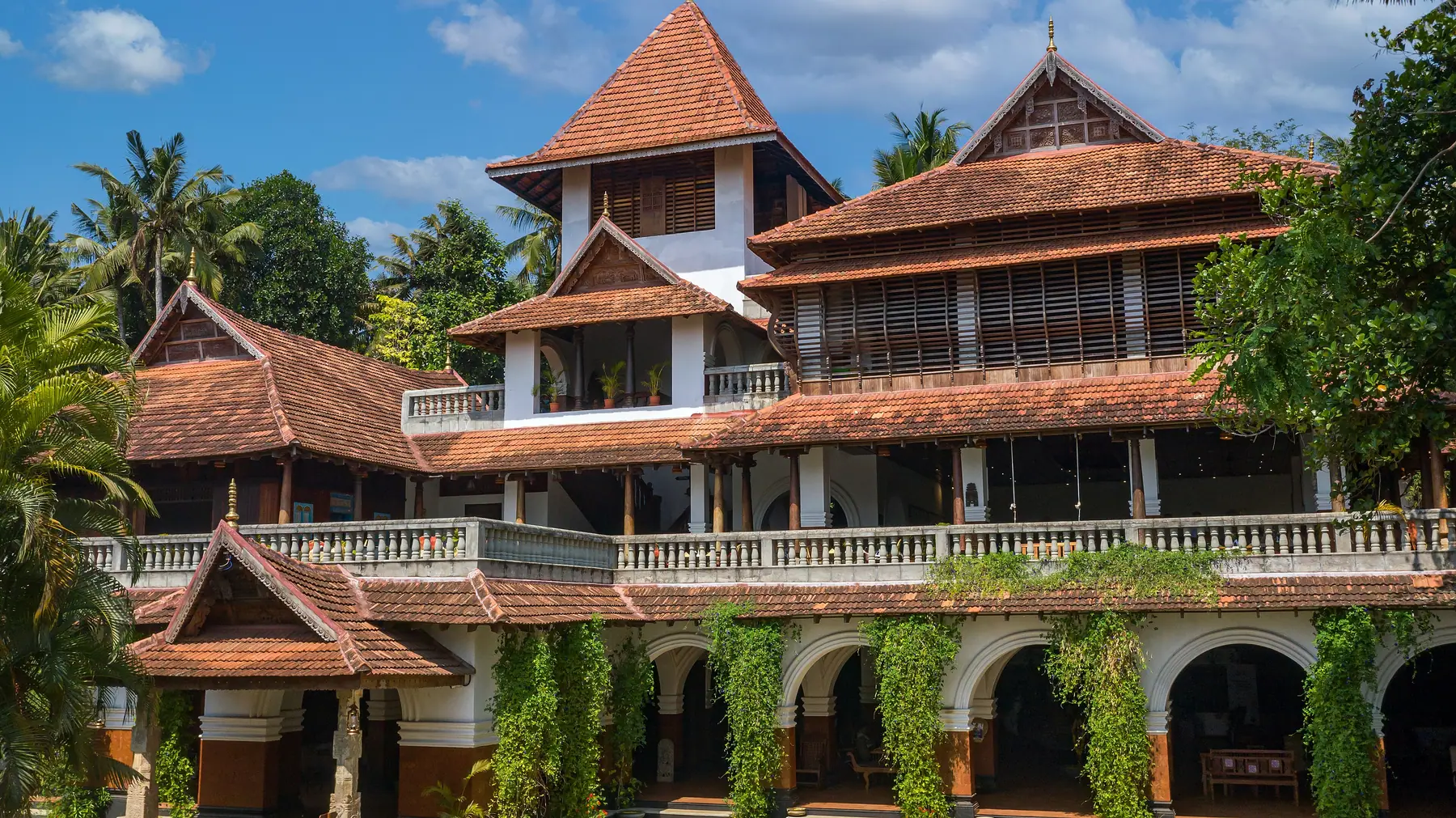
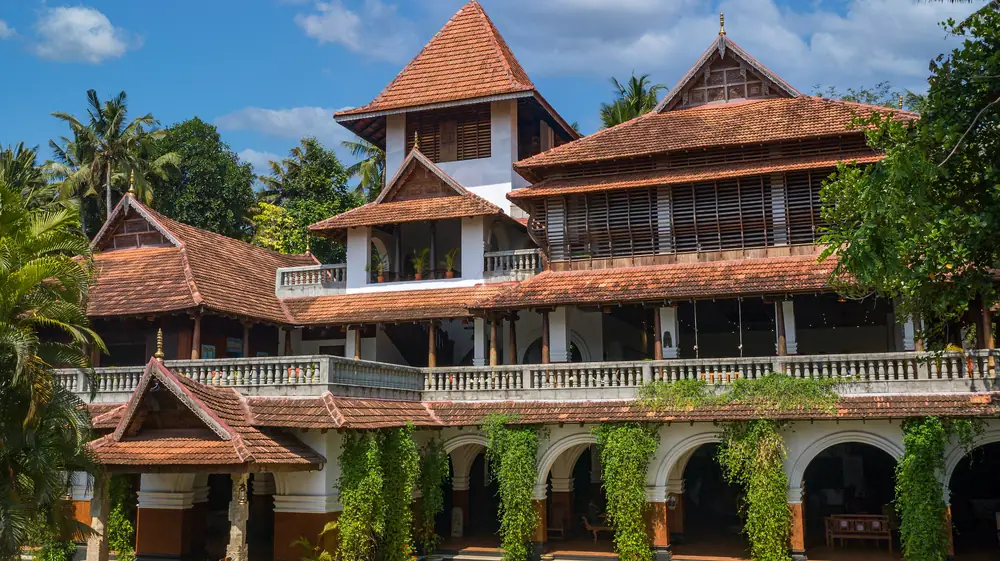
The Somatheeram group’s flagship, built in Kerala temple-and-palace style on the hill beside Somatheeram, with sea-view rooms, an infinity pool and private treatment rooms in its top categories.
FromUS$1,510per personView
What you can book
5 programmes
Rest & rebuild
Somatheeram Ayurveda Village · Kerala
Stress Management Programme
Somatheeram’s stress management package — yoga, meditation, dhara and massage — sold as a fourteen-night or twenty-one-night stay.
- 14 nights
- 14 / 21
FromUS$2,630per personDetails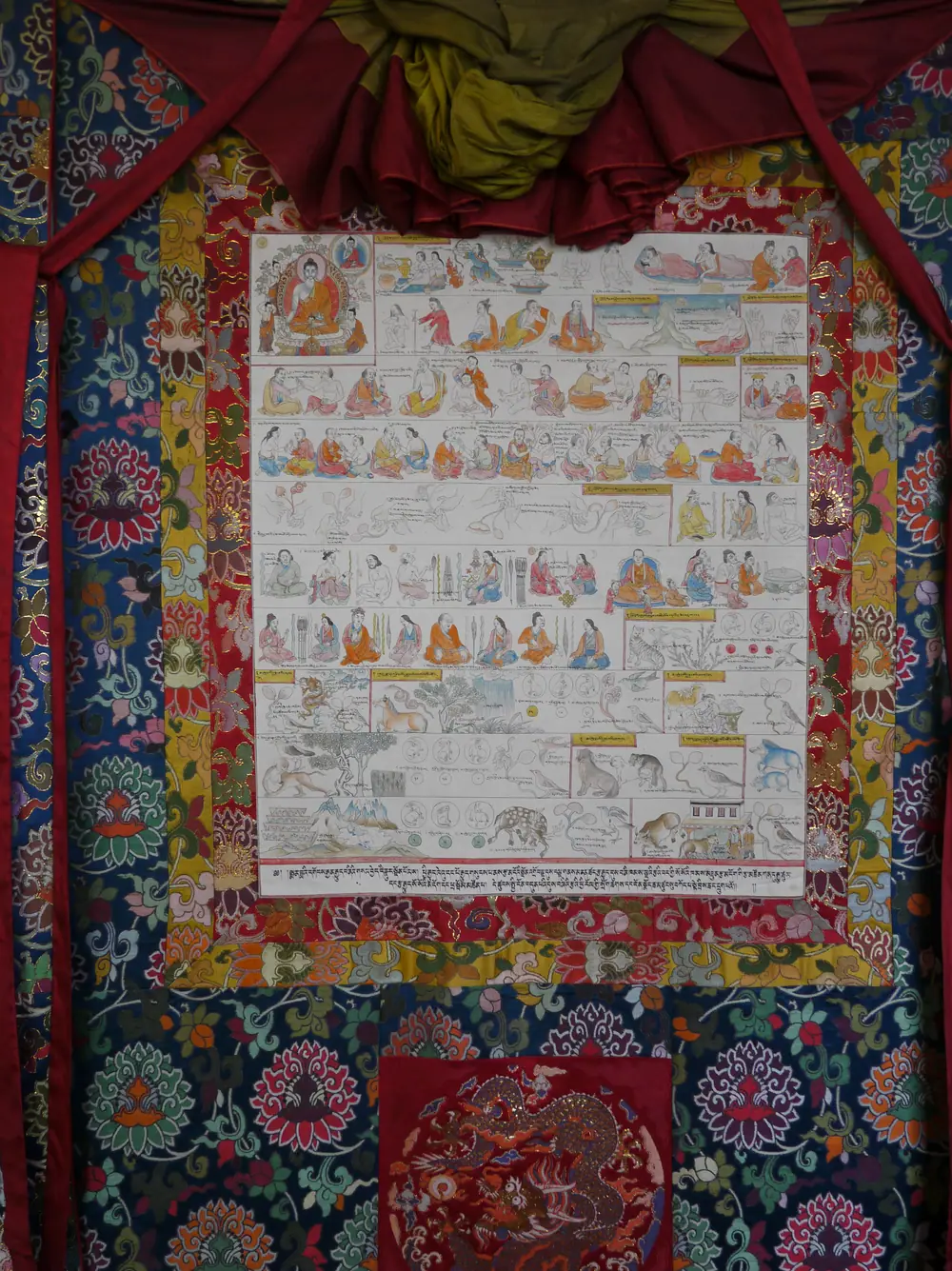 Rest & rebuild
Six Senses Vana · Rishikesh
Tibetan Medicine (Sowa Rigpa)
Sowa Rigpa, the Tibetan system of medicine, sold as a five-, seven- or 14-night programme in the Himalayan foothills at Dehradun.
- 14 nights
- 5 / 7 / 14
FromUS$11,116per personDetails- Rest & rebuild
Soma Manaltheeram Ayurveda Beach Village · Kerala
Rejuvenation Therapy (Rasayana Chikilsa)
Manaltheeram’s Rasayana package — oil massage by two therapists, rejuvenation medicines and a steam bath — sold as seven or fourteen nights.
- 14 nights
- 7 / 14
FromUS$2,060per personDetails - Rest & rebuild
AyurSoma · Kerala
Rejuvenation Therapy (Rasayana Chikilsa)
AyurSoma’s Rasayana package — oil massage by two therapists, rejuvenation medicines and a steam bath — from seven nights.
- 7 nights
- 7 / 14
FromUS$1,510per personDetails 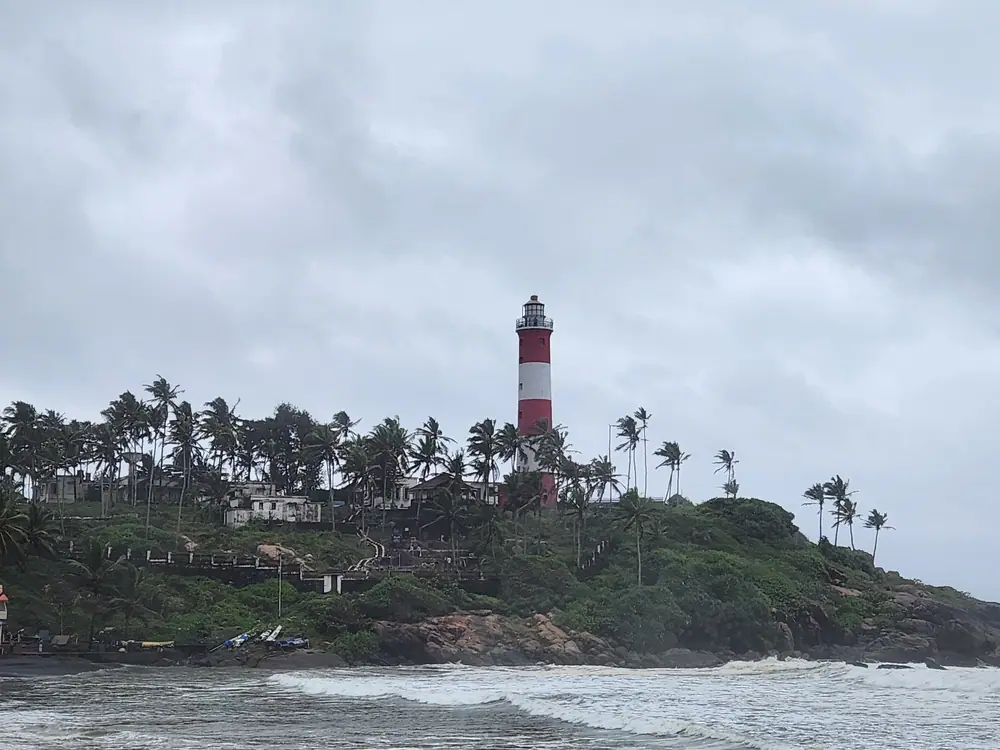 Rest & rebuild
AyurSoma · Kerala
Ayur Yoga Retreat
AyurSoma’s Hatha yoga retreat with an Ayurveda package — Rejuvenation or Body Purification — sold as seven or fourteen nights.
- 7 nights
- 7 / 14
FromUS$1,890per personDetails
When to come
The season, place by place
| Destination | Jan | Feb | Mar | Apr | May | Jun | Jul | Aug | Sep | Oct | Nov | Dec |
|---|---|---|---|---|---|---|---|---|---|---|---|---|
| KeralaIndia | Jan: good alternative | Feb: good alternative | Mar: less suitable | Apr: less suitable | May: less suitable | Jun: preferred season | Jul: preferred season | Aug: preferred season | Sep: preferred season | Oct: good alternative | Nov: good alternative | Dec: good alternative |
| RishikeshIndia | Jan: good alternative | Feb: preferred season | Mar: preferred season | Apr: preferred season | May: less suitable | Jun: less suitable | Jul: less suitable | Aug: less suitable | Sep: preferred season | Oct: preferred season | Nov: preferred season | Dec: good alternative |
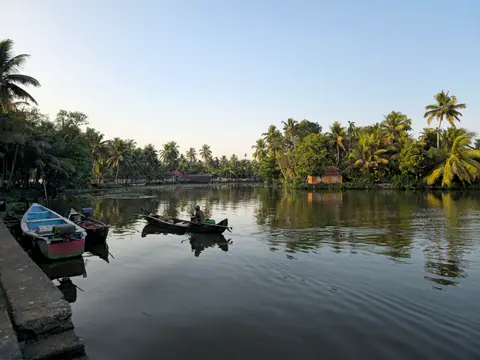
Kerala. For treatment the monsoon is the season — not despite the rain but because of it. Humidity keeps the skin and channels receptive to oil, the air is cool, and Keralans have taken their own annual course in this month for centuries. March to May is the part to avoid: 35 °C and humid is a poor climate for daily oil therapy. The brochures sell January because January photographs better, and it costs a great deal more for a less effective fortnight.
Rishikesh. February to April and late September to November: warm days, cold clear nights, and a river that is green rather than brown and in spate. July and August are landslide season in the hills. May and June are simply too hot for a full practice schedule, and December to January is cold enough that an unheated ashram room becomes a test of commitment.
Asked and answered
Before you ask
Is the monsoon really better, or is that a way to sell the low season?
Can I do a proper Panchakarma in a week?
What does a state Ayurveda classification actually prove?
Is a 200-hour certificate from Rishikesh taken seriously?
Can I do a training and a Panchakarma back to back?
How much does the crowding actually matter?
Not sure this is the right list?
Tell us what you want from the trip and we will help compare suitable properties, programme styles and travel dates for India or a better-fitting alternative.
Ask Heal & Rest