
India
Sleep retreats in India
Sleep retreats in India — the houses and programmes that address it, how long to stay, the travel season and what to consider first.
The wellness goal
“I fall asleep fine and then I am awake at three.”
The complaint this whole category was built on, and the one that responds fastest to simply being somewhere else.
Broken sleep is rarely a sleep problem on its own. It arrives attached to something — a schedule, a screen, a stimulant, a worry, a menopause, a gut — and the reason a fortnight away can shift it when a year of sleep hygiene did not is that a residential programme changes all of those at once and holds them changed for long enough to matter.
What a good sleep programme actually does is unglamorous: it fixes your light exposure, moves your last meal three hours earlier, takes the caffeine out, puts a long slow treatment where your evening screen was, and gets you outside in the morning. The Ayurvedic and naturopathic houses dress that differently, and underneath they are all doing a version of the same thing — plus, in the Ayurvedic case, shirodhara, which is a warm oil stream on the forehead for forty minutes and is very hard to stay anxious through.
The measurable part matters. The houses that track your sleep and revise the programme on the data mid-stay get better results than the ones that hand you a questionnaire on arrival, and we will point you at the former.
Approaches to explore
- ayurvedaShirodhara and evening abhyanga are the classical interventions, and they are timed to the evening rather than the morning for exactly this reason. Add a narrowed, earlier diet and the digestion-sleep loop that keeps people awake at three tends to break.
- yogaYoga nidra and slow pranayama in the hour before bed do more for sleep onset than the asana practice does. Any competent house will make this the last thing on the timetable.
What the experience may involve
- Your last meal moves to about six in the evening and stays there. Most guests find this harder than the treatments.
- Caffeine goes on day one, and days two and three are unpleasant. That is the caffeine, not the programme.
- A long passive treatment in the evening instead of a screen — shirodhara, abhyanga or a warm bath, most days.
- Morning light and a walk before breakfast, prescribed rather than suggested.
- A written night routine to take home, which is the part that decides whether the fortnight lasts.
Where to go
1 house, and what each is for


When to come
The season in Rishikesh
| Destination | Jan | Feb | Mar | Apr | May | Jun | Jul | Aug | Sep | Oct | Nov | Dec |
|---|---|---|---|---|---|---|---|---|---|---|---|---|
| RishikeshIndia | Jan: good alternative | Feb: preferred season | Mar: preferred season | Apr: preferred season | May: less suitable | Jun: less suitable | Jul: less suitable | Aug: less suitable | Sep: preferred season | Oct: preferred season | Nov: preferred season | Dec: good alternative |
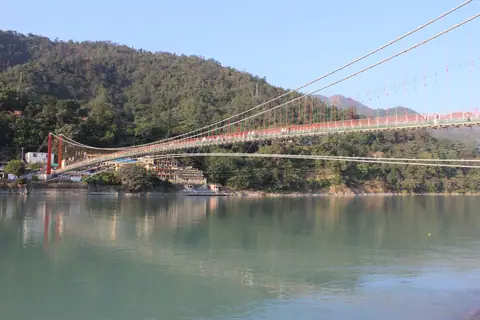
Rishikesh. February to April and late September to November: warm days, cold clear nights, and a river that is green rather than brown and in spate. July and August are landslide season in the hills. May and June are simply too hot for a full practice schedule, and December to January is cold enough that an unheated ashram room becomes a test of commitment.
Asked and answered
Before you ask
Is a 200-hour certificate from Rishikesh taken seriously?
Can I do a training and a Panchakarma back to back?
How much does the crowding actually matter?
Not sure this is the right list?
Tell us what you want from the trip and we will help compare suitable properties, programme styles and travel dates for India or a better-fitting alternative.
Ask Heal & Rest