India
Menopause retreats in India
Menopause retreats in India — the houses and programmes that address it, how long to stay, the travel season and what to consider first.
The wellness goal
“I am not sleeping, I am not myself, and I am tired of being told it is normal.”
A concern the mainstream travel industry has almost entirely ignored, and one where a fortnight can do a surprising amount.
The cluster is familiar and it is rarely addressed as a cluster: broken sleep, temperature dysregulation, joint aches, mood volatility, a changed body composition and a digestion that no longer behaves. Each of those has an answer somewhere; almost nothing puts them together and works on them at once for two weeks.
Ayurveda has a formal framework here — this is the rajonivritti transition, and the classical response is a rebuilding rasayana line rather than an aggressive purification one, with specific attention to sleep, joints and the nervous system. A physician qualified in the women’s-health branch leads it, and the programmes we book are led by one.
This does not replace hormone therapy or advice from your own clinician. Any programme should sit alongside the care you and your doctor have chosen, and the property’s qualified team should review that context before recommending therapies.
Approaches to explore
- ayurvedaA rasayana-led protocol with the classical women’s-health preparations, plus daily abhyanga and shirodhara for the sleep and temperature symptoms. Led by a physician qualified in prasuti tantra and stri roga.
- yogaWeight-bearing practice for bone, restorative practice for sleep, and breathing for the vasomotor symptoms — taught one to one so the balance is right for where you are.
What the experience may involve
- A long opening consultation about the whole cluster rather than one symptom.
- Daily oil therapy, with the evening treatments aimed squarely at sleep.
- Weight-bearing movement prescribed, which many menopause programmes still leave out.
- A diet with real attention to protein and to blood sugar, not merely a light one.
- Preparations to take home with a three-month protocol.
Where to go
2 houses, and what each is for
 Retreat resort
Kerala, India
Carnoustie Ayurveda & Wellness Resort
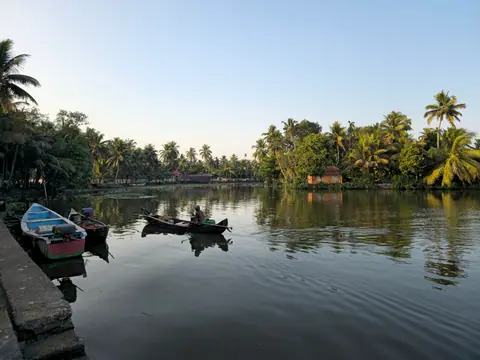
A villa resort with its own Ayurveda spa on the Arabian Sea shore at Marari, Alappuzha, set in what it describes as 25 acres of landscaped gardens.
Price on requestViewRetreat resort
Rishikesh, India
Ananda in the Himalayas
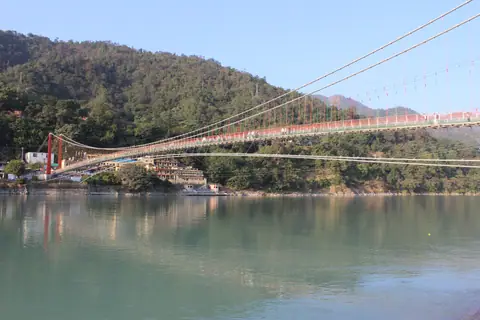
A wellness retreat on the 100-acre former palace estate of the Maharaja of Tehri-Garhwal, overlooking Rishikesh and the Ganga valley. Its press kit says it opened in 2000 as India’s first luxury wellness retreat.
FromUS$3,440per personView
When to come
The season, place by place
| Destination | Jan | Feb | Mar | Apr | May | Jun | Jul | Aug | Sep | Oct | Nov | Dec |
|---|---|---|---|---|---|---|---|---|---|---|---|---|
| KeralaIndia | Jan: good alternative | Feb: good alternative | Mar: less suitable | Apr: less suitable | May: less suitable | Jun: preferred season | Jul: preferred season | Aug: preferred season | Sep: preferred season | Oct: good alternative | Nov: good alternative | Dec: good alternative |
| RishikeshIndia | Jan: good alternative | Feb: preferred season | Mar: preferred season | Apr: preferred season | May: less suitable | Jun: less suitable | Jul: less suitable | Aug: less suitable | Sep: preferred season | Oct: preferred season | Nov: preferred season | Dec: good alternative |
Kerala. For treatment the monsoon is the season — not despite the rain but because of it. Humidity keeps the skin and channels receptive to oil, the air is cool, and Keralans have taken their own annual course in this month for centuries. March to May is the part to avoid: 35 °C and humid is a poor climate for daily oil therapy. The brochures sell January because January photographs better, and it costs a great deal more for a less effective fortnight.
Rishikesh. February to April and late September to November: warm days, cold clear nights, and a river that is green rather than brown and in spate. July and August are landslide season in the hills. May and June are simply too hot for a full practice schedule, and December to January is cold enough that an unheated ashram room becomes a test of commitment.
Asked and answered
Before you ask
Is the monsoon really better, or is that a way to sell the low season?
Can I do a proper Panchakarma in a week?
What does a state Ayurveda classification actually prove?
Is a 200-hour certificate from Rishikesh taken seriously?
Can I do a training and a Panchakarma back to back?
How much does the crowding actually matter?
Not sure this is the right list?
Tell us what you want from the trip and we will help compare suitable properties, programme styles and travel dates for India or a better-fitting alternative.
Ask Heal & Rest