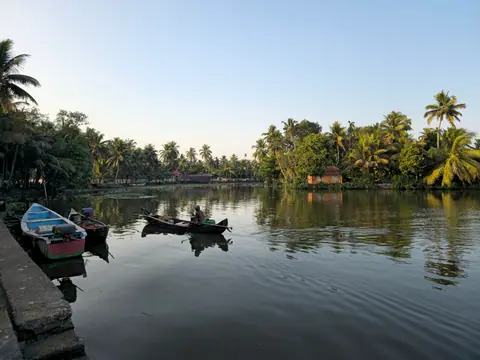

India
Longevity retreats in India
Longevity retreats in India — the houses and programmes that address it, how long to stay, the travel season and what to consider first.
The wellness goal
“I am well. I would like to stay that way, and I would like some data.”
In Ayurveda this is Rasayana — the branch concerned with renewal — and it is a course of treatment, not a product.
Rasayana is one of the eight classical branches of Ayurveda: internal preparations, oil treatments and a prescribed diet, usually taken after a period of purification, on the principle that a body is rebuilt once it has been cleared. The houses that take it seriously run it as a doctor-led course of two to four weeks.
The honest position: the evidence for it is traditional rather than trial-based, and nobody serious promises a longer life. What a course reliably gives is several weeks of early nights, plain food, daily treatment and no alcohol, under a doctor’s supervision — and a routine to take home.
The test of a programme is simple and worth applying: does a doctor examine you before anything is prescribed, and review you at the end? If not, it is a spa.
Approaches to explore
- ayurvedaRasayana is a preventive tradition rather than a curative one and has been for two thousand years. Taken annually, which is how its own culture uses it.
What the experience may involve
- A doctor’s consultation before anything is prescribed, and regularly through the stay.
- Purification first where the doctor advises it, then the rebuilding treatments.
- Internal preparations and a prescribed diet alongside the daily treatments.
- A great deal of unglamorous advice about sleep, food and alcohol.
- No promises about lifespan, from anybody serious.
Where to go
2 houses, and what each is for
Retreat resort
Rishikesh, India
Ananda in the Himalayas
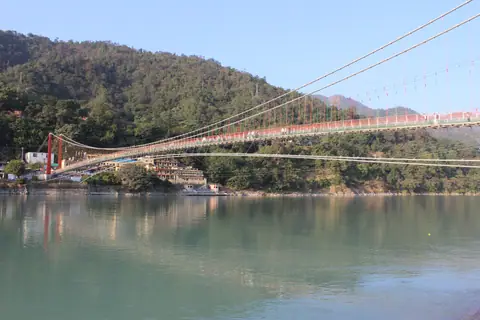
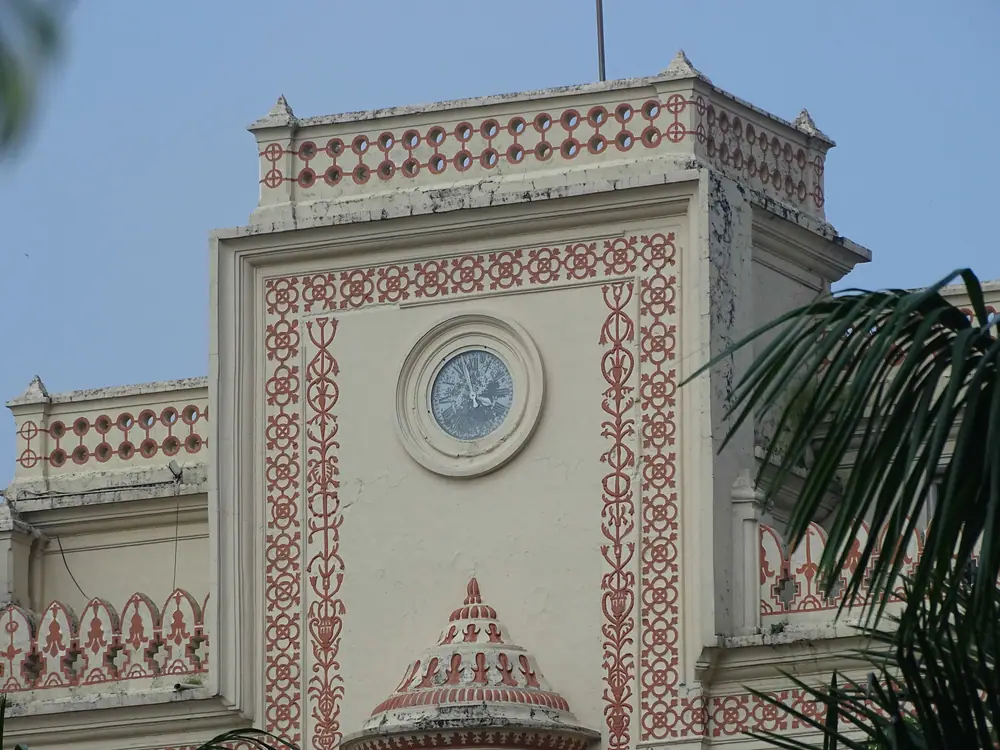
A wellness retreat on the 100-acre former palace estate of the Maharaja of Tehri-Garhwal, overlooking Rishikesh and the Ganga valley. Its press kit says it opened in 2000 as India’s first luxury wellness retreat.
FromUS$3,440per personView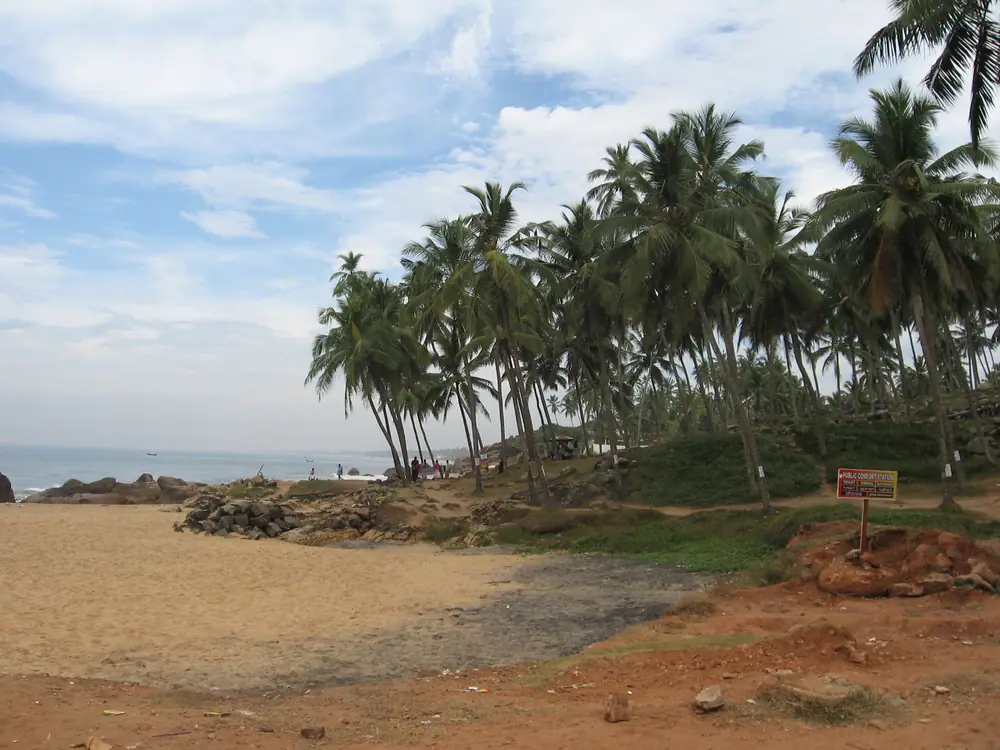 Ayurveda hospital
Kerala, India
Soma Manaltheeram Ayurveda Beach Village
The Somatheeram group’s beach-level Ayurveda hospital at Chowara: thatched mud-and-brick cottages among the palms, most with a sea view, and the same doctor-led packages as Somatheeram.
FromUS$2,060per personView
What you can book
2 programmes
 Rest & rebuild
Ananda in the Himalayas · Rishikesh
Ayurvedic Rejuvenation and Immunity Booster
Ananda’s Ayurvedic programme for immunity and vitality, sold at 7, 14 or 21 nights on the Palace Estate at Narendra Nagar.
- 14 nights
- 7 / 14 / 21
FromUS$6,880per personDetails Longevity
Soma Manaltheeram Ayurveda Beach Village · Kerala
Ayurveda Anti-Ageing Programme
Manaltheeram’s anti-ageing package — purification first, then Rasayana — sold as a fourteen-night or twenty-one-night stay.
- 14 nights
- 14 / 21
FromUS$2,630per personDetails
When to come
The season, place by place
| Destination | Jan | Feb | Mar | Apr | May | Jun | Jul | Aug | Sep | Oct | Nov | Dec |
|---|---|---|---|---|---|---|---|---|---|---|---|---|
| KeralaIndia | Jan: good alternative | Feb: good alternative | Mar: less suitable | Apr: less suitable | May: less suitable | Jun: preferred season | Jul: preferred season | Aug: preferred season | Sep: preferred season | Oct: good alternative | Nov: good alternative | Dec: good alternative |
| RishikeshIndia | Jan: good alternative | Feb: preferred season | Mar: preferred season | Apr: preferred season | May: less suitable | Jun: less suitable | Jul: less suitable | Aug: less suitable | Sep: preferred season | Oct: preferred season | Nov: preferred season | Dec: good alternative |
Kerala. For treatment the monsoon is the season — not despite the rain but because of it. Humidity keeps the skin and channels receptive to oil, the air is cool, and Keralans have taken their own annual course in this month for centuries. March to May is the part to avoid: 35 °C and humid is a poor climate for daily oil therapy. The brochures sell January because January photographs better, and it costs a great deal more for a less effective fortnight.
Rishikesh. February to April and late September to November: warm days, cold clear nights, and a river that is green rather than brown and in spate. July and August are landslide season in the hills. May and June are simply too hot for a full practice schedule, and December to January is cold enough that an unheated ashram room becomes a test of commitment.
Asked and answered
Before you ask
Is the monsoon really better, or is that a way to sell the low season?
Can I do a proper Panchakarma in a week?
What does a state Ayurveda classification actually prove?
Is a 200-hour certificate from Rishikesh taken seriously?
Can I do a training and a Panchakarma back to back?
How much does the crowding actually matter?
Not sure this is the right list?
Tell us what you want from the trip and we will help compare suitable properties, programme styles and travel dates for India or a better-fitting alternative.
Ask Heal & Rest